← Back to Blog
Selling
Selling a Home in Miami Beach Florida: Pricing & Timeline
By Collin Evans, Licensed Real Estate Agent
eXp Realty LLC · SL# 3620756
September 2, 2026 · 9 min read
Selling a home in Miami Beach, Florida requires a different playbook than selling anywhere else in South Florida. The market here moves on its own terms, shaped by international buyers, waterfront inventory, condo regulations, and price points that sit well above national norms. This guide breaks down exactly what to expect: current pricing, how long it takes to sell, what costs you will carry, and how to position your property to attract the right offer.
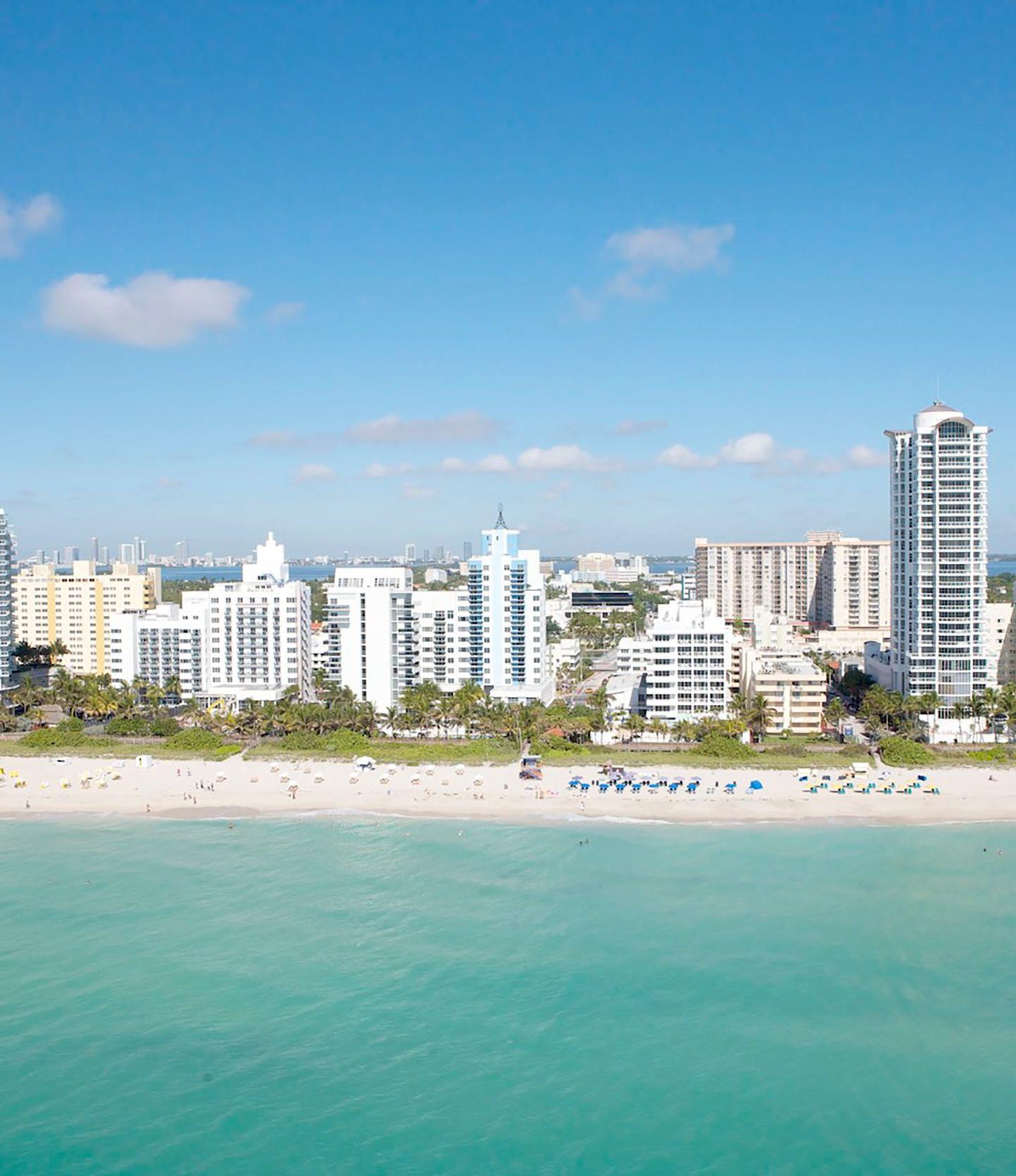
1. What Miami Beach Home Prices Actually Look Like Right Now
Miami Beach sits at the upper end of the Miami-Dade market, and pricing here reflects that consistently. As of September 2026, the median sale price for single-family homes in Miami Beach hovers around $3.5 million, while condos range from roughly $450,000 for a studio in a mid-rise building to well over $10 million for a full-floor unit in a luxury tower on Collins Avenue or South Pointe Drive. These are not outliers; they represent the standard spread of the market.
Miami luxury real estate prices sit approximately 174% above the national average, according to reporting from HousingWire, which puts Miami Beach specifically in a category shared by very few U.S. markets. That gap matters when you are setting expectations about what your property can realistically command.
Single-Family Homes vs. Condos
Single-family homes in Miami Beach are a genuinely rare asset. Most of the island is built out with mid-century modern and Art Deco structures, and the supply of detached homes is limited compared to the condo inventory. That scarcity supports pricing even in slower periods. Neighborhoods like Sunset Islands, La Gorce, and North Bay Road contain some of the most sought-after waterfront single-family properties in the entire country, with direct Biscayne Bay frontage and private dockage.
The condo market is more layered. Buildings constructed before 1992 face different structural reserve requirements under Florida's updated condo laws, and those rules have created a two-speed market where newer or recently recertified towers hold value more firmly than older buildings that have not yet completed their milestone inspections. Buyers are paying close attention to HOA financials and reserve fund balances before making offers, which means sellers in older buildings need to have that documentation ready.
How Waterfront and Non-Waterfront Prices Differ
Waterfront properties in Miami Beach carry a significant premium over comparable non-waterfront inventory. A condo with direct ocean views on the higher floors of a building like Continuum South Beach or Apogee will list and close at a meaningfully higher price per square foot than a unit in the same building facing the city. That premium can range from 20% to over 50% depending on the floor, the view angle, and the building's amenity profile. Sellers should not assume the premium is automatic; it depends on how the unit is presented and priced relative to active competition.
2. How Long It Takes to Sell a Home in Miami Beach
The timeline for selling a home in Miami Beach depends heavily on price tier and property type. Well-priced condos in the $500,000 to $1.5 million range are currently moving in 30 to 60 days from list to contract. Single-family homes and luxury condos above $3 million typically take 90 to 180 days, and ultra-luxury properties above $10 million can remain on the market for six months to a year before finding the right buyer. These are not signs of a weak market; they reflect the narrower buyer pool at those price points.
Days on Market by Price Tier
Properties priced under $1 million in Miami Beach, particularly one and two-bedroom condos in buildings along Alton Road, West Avenue, and the mid-Beach corridor, are seeing the most activity in the current market. Miami-Dade ultra-luxury sales are on pace to set records in 2026, according to the Miami Association of Realtors, while more affordable units in older 30-year-plus buildings are also holding their value. That dynamic means sellers at both ends of the price spectrum have real opportunity right now, provided they price and present correctly.
Seasonal Patterns That Affect Your Timeline
Miami Beach does not follow the traditional spring-summer selling season that dominates most U.S. markets. The peak buying period here runs from November through April, when snowbirds arrive, international buyers visit during the winter, and Art Basel in December draws high-net-worth attention to the city. Listing in October or November positions your property to catch this wave of buyer activity. Summer listings, particularly July and August, tend to sit longer because many buyers are traveling or waiting for the season to start.
September, which is where the market sits right now, is a transition month. Buyer activity picks up noticeably through October as the season approaches. Sellers who list in September and price accurately can capture early-season buyers who want to be under contract before the competition heats up.
3. Costs of Selling a Home in Miami Beach
Sellers in Miami Beach carry a meaningful set of closing costs, and understanding them before you list prevents surprises at the closing table. The total cost of selling typically falls between 7% and 10% of the sale price when you factor in agent commissions, documentary stamp taxes, title insurance, and any negotiated buyer credits. On a $2 million sale, that translates to $140,000 to $200,000 in total costs before you see net proceeds.
Closing Costs and Commission
Florida's documentary stamp tax on the deed is $0.70 per $100 of the sale price, paid by the seller. On a $2 million sale, that is $14,000 in doc stamps alone. Title insurance in Miami-Dade is typically split between buyer and seller, though this is negotiable. Real estate commission is also negotiable and should be discussed directly with your agent before signing a listing agreement.
Foreign sellers face an additional layer of complexity under FIRPTA, the Foreign Investment in Real Property Tax Act. If you are a non-U.S. resident selling a Miami Beach property, the buyer is required to withhold 15% of the gross sale price and remit it to the IRS. Working with a tax attorney or CPA who handles international real estate transactions is strongly recommended if this applies to you.
Condo-Specific Fees and Disclosures
Condo sellers in Miami Beach have additional obligations that single-family sellers do not. You are required to provide the buyer with the condo documents, including the declaration, bylaws, rules and regulations, most recent financial statements, and the reserve study. Florida law gives buyers three business days to review these documents and cancel the contract if they choose. Sellers should have this package assembled before listing to avoid delays.
Buildings that have not completed their required milestone structural inspections under Florida Senate Bill 4-D are creating real friction in transactions. Buyers and their lenders are scrutinizing inspection status and reserve funding more carefully than at any point in recent history. If your building is in the process of completing its inspection or has a pending special assessment, you will need to disclose that clearly and price accordingly.
4. Pricing Strategy: How to Price Your Miami Beach Home to Sell
Accurate pricing is the single most important decision you will make when selling a home in Miami Beach. The market here is sophisticated. Buyers at every price point, from the $500,000 condo buyer to the $20 million penthouse buyer, are often working with experienced agents and advisors who have seen comparable sales. An overpriced listing does not generate competing offers; it generates skepticism.
Why Overpricing Hurts More Here Than Elsewhere
In Miami Beach, days on market carry a stigma that compounds quickly. A listing that sits for 90 days without a price reduction signals to buyers that something is wrong, even if the only issue was the original asking price. Buyers begin to wonder about structural issues, HOA problems, or seller inflexibility. The longer a property sits, the harder it becomes to generate the kind of urgency that produces strong offers. Properties that are priced right from day one consistently close closer to asking price and in less time than those that require reductions.
A comparative market analysis for Miami Beach needs to account for floor level, view corridor, building amenities, HOA fee structure, parking allocation, and whether the unit has been renovated. Two units in the same building on different floors with different views can have a price-per-square-foot difference of $200 or more. Generic online estimates do not capture these distinctions.
The Role of International Buyers in Setting Price Expectations
Miami Beach draws a significant share of its buyers from Latin America, Europe, and Canada. This international demand has historically supported prices during periods when domestic buyer activity slows, and it continues to do so in 2026. However, international buyers are also price-sensitive in their own way: they are comparing Miami Beach to markets in London, Sao Paulo, Buenos Aires, and Bogota, and they have a clear sense of relative value. Marketing a Miami Beach property effectively to this audience requires professional photography, multilingual listing exposure, and a pricing strategy that reflects what comparable properties in competing global markets are doing.
If you are also exploring how the broader Miami market compares across different neighborhoods and price points, the Miami, Florida Real Estate Market Guide on this site covers pricing trends, neighborhood breakdowns, and timing considerations across the metro area.
5. Preparing Your Miami Beach Property for the Market
Presentation in Miami Beach is not optional; it is part of the price. Buyers shopping at these price points have often seen properties in multiple cities and countries. They are comparing your listing to everything else available in the market, and a poorly presented property, regardless of its underlying value, will be discounted accordingly. The investment in preparation almost always returns more than it costs.
What Buyers in This Market Prioritize
In Miami Beach, buyers consistently prioritize natural light, water or city views, updated kitchens and bathrooms, and functional outdoor space. Balconies, terraces, and private pools are not amenities here; they are expected in the mid-to-upper price tiers. Smart home technology, impact windows and doors, and newer HVAC systems also move the needle for buyers who have done their homework on insurance costs and storm preparedness in South Florida.
Insurance costs are a genuine factor in buyer decision-making right now. Florida property insurance has increased substantially over the past several years, and buyers are factoring monthly insurance premiums into their affordability calculations. Sellers who can demonstrate that their property has impact-rated windows, a newer roof, and a recent wind mitigation inspection are in a stronger negotiating position.
Staging, Photography and Presentation
Professional photography is the baseline, not a premium add-on. Aerial drone footage is standard for any property with water views, rooftop access, or a notable location. Video walkthroughs and 3D virtual tours have become expected by international buyers who may be making initial decisions from overseas before scheduling an in-person visit. A listing that lacks these elements will be passed over by a meaningful portion of the buyer pool.
Staging is worth serious consideration for vacant properties. An empty condo on the 20th floor of a building near the Miami Beach Convention Center or Faena Forum may have extraordinary views, but without furniture and styling to anchor the space, buyers struggle to envision scale and livability. A staged property photographs better, shows better, and typically sells faster.
For sellers who are also considering other parts of the Miami metro area, it is worth understanding how conditions vary across the region. The Miami, Florida Real Estate Market Guide provides a broader look at how different submarkets are performing, which can be useful context when you are deciding where to buy after your Miami Beach sale closes.
FAQ
What is the best time of year to sell a home in Miami Beach?
The strongest selling season in Miami Beach runs from November through April, when international buyers, snowbirds, and domestic relocators are most active in the market. Listing in October positions you to capture early-season demand before inventory builds. Summer months, particularly July and August, tend to produce slower activity and longer days on market. That said, a well-priced property in any month will attract serious buyers, since Miami Beach draws interest from global buyers year-round regardless of season.
How do Florida's new condo laws affect selling a condo in Miami Beach?
Florida's updated structural inspection and reserve funding requirements, which took effect following the Surfside tragedy, have created new disclosure obligations and buyer scrutiny for condo sellers. Buildings over three stories that are more than 30 years old must complete milestone structural inspections, and associations are required to maintain fully funded reserves. Buyers and their lenders are reviewing inspection reports, reserve studies, and HOA financials closely before committing. Sellers in affected buildings should have all documentation organized before listing, and should be prepared to address questions about special assessments or pending repairs transparently.
Do I need a real estate agent to sell a home in Miami Beach, or can I sell on my own?
Technically, Florida law does not require you to use a real estate agent to sell your home. However, Miami Beach is one of the most complex real estate markets in the country, with international buyer dynamics, condo document requirements, FIRPTA considerations for foreign sellers, and pricing nuances that vary significantly by building and floor. An experienced local agent brings access to the buyer networks, multilingual marketing channels, and comparable sale data that are difficult to replicate independently. Most sellers in this market find that the cost of professional representation is more than offset by the difference in sale price and the reduction in transaction risk.