← Back to Blog
Neighborhoods
Pembroke Pines Neighborhoods Guide
By Collin Evans, Licensed Real Estate Agent
eXp Realty LLC · SL# 3620756
August 20, 2026 · 6 min read
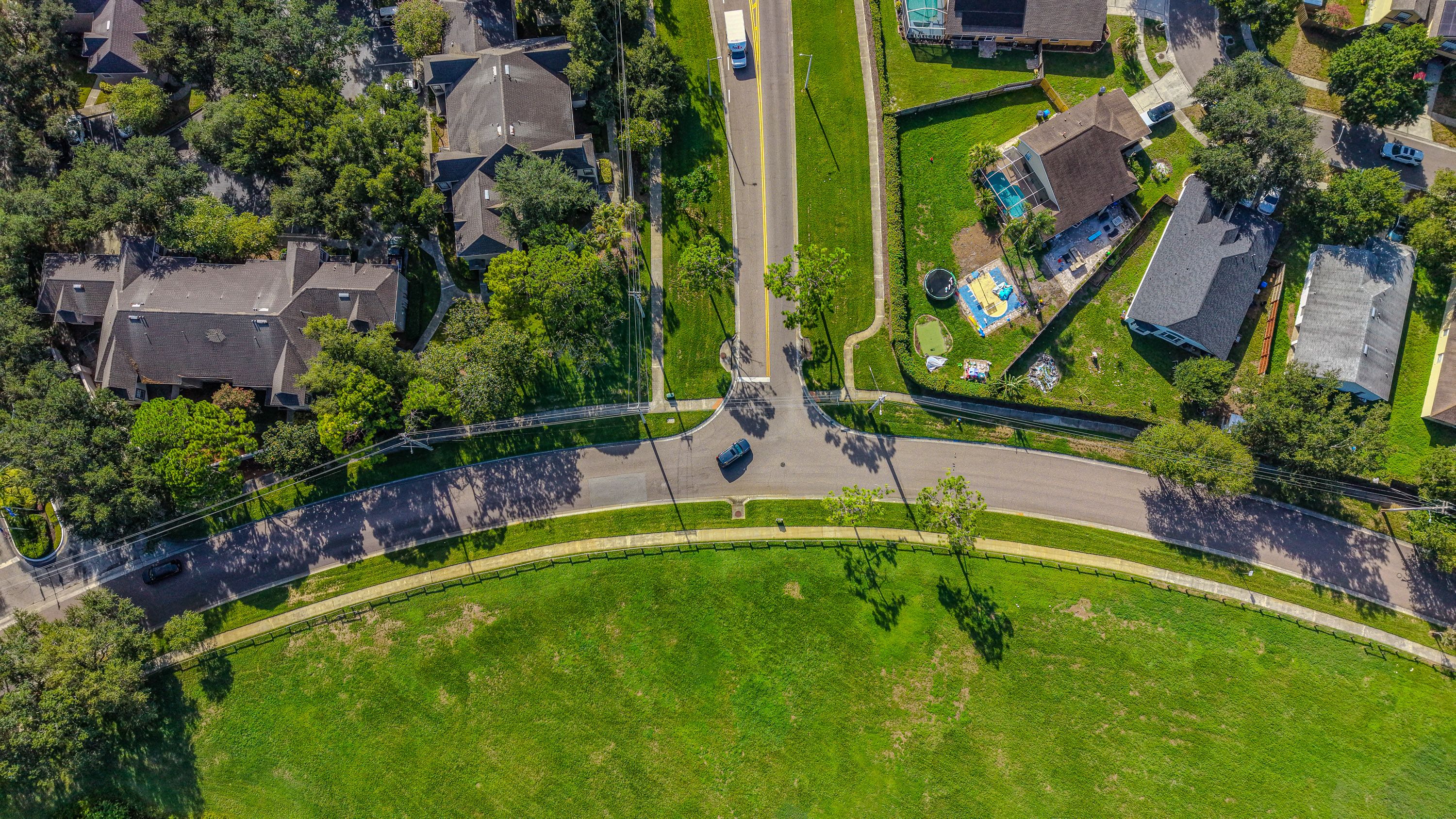
If you are relocating to the Miami metro area and raising a family, Pembroke Pines family friendly neighborhoods deserve a serious look. Tucked in Broward County about 25 miles north of downtown Miami, this city offers a lifestyle that balances suburban calm with genuine South Florida convenience. This guide walks you through what makes specific pockets of Pembroke Pines stand out for families, what to expect from the local market right now, and how to make a confident move.
1. What Makes Pembroke Pines a Practical Base in the Miami Metro Area
Pembroke Pines sits in a sweet spot that many Miami area cities cannot replicate. It offers the space and suburban scale of a true suburb while keeping you within reach of Fort Lauderdale, Miami International Airport, and major employment corridors along I-75 and the Florida Turnpike. For buyers who need to commute in different directions, that geographic flexibility is hard to overstate.
Location and Commute Reality
Buyers moving from out of state often underestimate how useful Pembroke Pines is as a base. Fort Lauderdale Hollywood International Airport is roughly 15 minutes away on a good day. Downtown Miami is accessible in under an hour during off-peak hours. For buyers with one commute toward Brickell and another toward the Miramar or Weston business corridors, Pembroke Pines sits geographically between both, which cuts down on the daily grind considerably.
Schools and District Information
Broward County Public Schools serve Pembroke Pines. Pembroke Pines Charter Schools operate within the city and carry waitlists, so buyers interested in charter options should apply as early as possible. Buyers relocating here often prioritize their school research before they even start touring homes, which is the right approach. Knowing which neighborhood feeds into which school zone can genuinely shape where you decide to buy.
2. Pembroke Pines Neighborhoods Worth Knowing
Not every corner of Pembroke Pines looks or feels the same. The city spans over 35 square miles and contains dozens of planned communities, each with its own personality. A handful of neighborhoods are frequently sought based on school proximity, green space, and access to parks and recreational amenities.
Silver Lakes
Silver Lakes is a large planned community in western Pembroke Pines built around a series of lakes that give it a serene, almost resort-like atmosphere on quiet mornings. Homes here tend to be single-family with generous lots by South Florida standards, and the streets are wide. The community has seen consistent long-term ownership, with many residents having lived here for over a decade.
Chapel Trail
Chapel Trail sits in the western portion of the city and is frequently mentioned by buyers researching Pembroke Pines neighborhoods. It features a mix of single-family homes and townhomes, a community pool, tennis courts, and walking paths that connect throughout the development. The neighborhood is gated, and it is served by the Broward County Public Schools district; buyers should review the district's own published data to research the specific schools assigned to this area. Pricing here tends to be competitive relative to what you get in terms of space and amenities.
Pembroke Isles
Pembroke Isles is a gated community with a clubhouse, multiple pools, a fitness center, and organized activities that make it easier for newcomers to settle in and meet people quickly. Homes range from mid-size townhomes to larger single-family properties with lake views. Buyers coming from denser urban settings often find the open layout a notable change in pace.
Grand Palms
Grand Palms wraps around a golf course and offers a quieter, more spread-out feel than some of the denser communities in the city. Buyers who prioritize privacy and larger lot sizes will find more of both here. The neighborhood has a mix of home styles built across different decades, which creates some price variability and gives buyers at different budget levels a realistic shot at getting in. For a deeper look at how these communities compare on walkability and daily convenience, this guide to walkable neighborhoods in Pembroke Pines offers useful context on which pockets of the city are most accessible on foot.
3. Parks, Recreation, and Daily Life in Pembroke Pines
One of the reasons Pembroke Pines draws buyers from Miami-Dade is the sheer amount of outdoor space the city maintains. The city operates over a dozen parks and recreational facilities, and those spaces are consistently well maintained.
Green Space and Outdoor Activity
C.B. Smith Park is the centerpiece of outdoor recreation in the city. It spans over 300 acres and includes a water park, campgrounds, sports fields, and picnic areas. The range of activities available at this single park provides enough weekend options to last months before you exhaust them. The city also maintains neighborhood parks scattered throughout residential areas, so most addresses have something walkable within a few blocks.
Shopping, Dining, and Everyday Convenience
Pines City Center and the surrounding retail corridors along Pines Boulevard provide access to grocery stores, restaurants, urgent care clinics, and big-box retailers without leaving the city. The dining scene includes a range of casual spots as well as options oriented toward evening entertainment. For anything more urban, Sawgrass Mills in Sunrise and the Aventura Mall are both within 30 minutes.
4. What the Market Looks Like for Buyers Right Now
Understanding the market is as important as understanding the neighborhoods themselves. Pembroke Pines has remained one of the more stable housing markets in the Miami metro area, partly because demand is consistent and partly because the city does not attract the same speculative investor activity that some coastal communities do.
Pricing and Inventory in August 2026
As of August 2026, single-family home prices in Pembroke Pines are holding firm in the mid to upper $500,000 range for most communities, with gated neighborhoods like Pembroke Isles and Chapel Trail pushing into the $600,000 to $750,000 range depending on size and lot. Inventory has loosened slightly compared to the tight conditions of 2024 and 2025, which gives buyers more negotiating room than they had in previous years. That said, well-priced homes in high-demand areas still move quickly. For a broader overview of how the local market has evolved, the Pembroke Pines real estate market guide provides useful historical context on pricing trends and neighborhood performance.
What to Expect During Your Search
Competition is real but manageable if you come prepared. Getting pre-approved before you tour is non-negotiable in this market. Sellers here have options, and an offer backed by a solid pre-approval letter signals you are a serious, ready buyer. Working with an agent who knows which HOA communities have pending special assessments, which streets flood during heavy rain, and which school boundaries recently shifted can save you from costly surprises.
5. Tips for Buyers Relocating to Pembroke Pines
Relocating from out of state adds layers of complexity that local buyers do not face. School enrollment deadlines, HOA rules, childcare availability, and neighborhood logistics all become part of the decision in ways that are hard to appreciate until you are living through it.
Research Before You Visit
Use your research time before any in-person visit to narrow down which school zones matter most to your family. Broward County Schools publishes school boundary maps online, and cross-referencing those with active listings saves you from falling in love with a home that sits just outside the zone you need. Also check HOA documents carefully; some communities in Pembroke Pines have restrictions on fencing, parking, and exterior modifications that matter when you have kids and pets.
Think Beyond the House
The house itself is only part of what you are buying when you choose a Pembroke Pines neighborhood. Drive the streets at different times of day. Visit the nearest park on a Saturday morning. Stop by the grocery store during the after-school rush. These small observations tell you more about whether a neighborhood fits your needs than any listing description can. The community you choose shapes your daily routine for years, so treat the neighborhood evaluation as seriously as you treat the home inspection.
FAQ
Is Pembroke Pines a good place to buy a home in 2026 if you are relocating from Miami?
Buyers relocating from Miami-Dade often find Pembroke Pines offers more square footage and more outdoor space at prices that are frequently lower per square foot than comparable Miami neighborhoods. As of August 2026, the market has more inventory than it did in 2024 and 2025, which gives buyers more leverage during negotiations. The city is not immune to South Florida's broader affordability pressures, but it remains one of the more practical choices for buyers who want suburban stability without giving up access to the metro area's job market, airport, and cultural amenities.
Where can I find school information for Pembroke Pines?
Pembroke Pines is served by the Broward County Public Schools system. The city is also home to the Pembroke Pines Charter Schools, which have long waitlists, so you should apply as early as possible. For information on individual schools and district performance, buyers are encouraged to review published data directly from the Broward County Public Schools district and the Florida Department of Education.
Which Pembroke Pines neighborhoods are frequently researched by buyers?
Silver Lakes, Chapel Trail, and Pembroke Isles are frequently researched by buyers considering Pembroke Pines. These communities offer gated or semi-gated entry, community pools, and proximity to C.B. Smith Park, along with well-maintained sidewalks. Each is served by the Broward County School District; buyers should review the district's own published school data directly through the Broward County Public Schools website to evaluate the specific schools assigned to any address. Your priorities around school zone, budget, and home size will ultimately determine which of these fits best.