← Back to Blog
Buying
Luxury Home Market in Miami, Florida: What Buyers Should Know
By Collin Evans, Licensed Real Estate Agent
eXp Realty LLC · SL# 3620756
September 19, 2026 · 11 min read
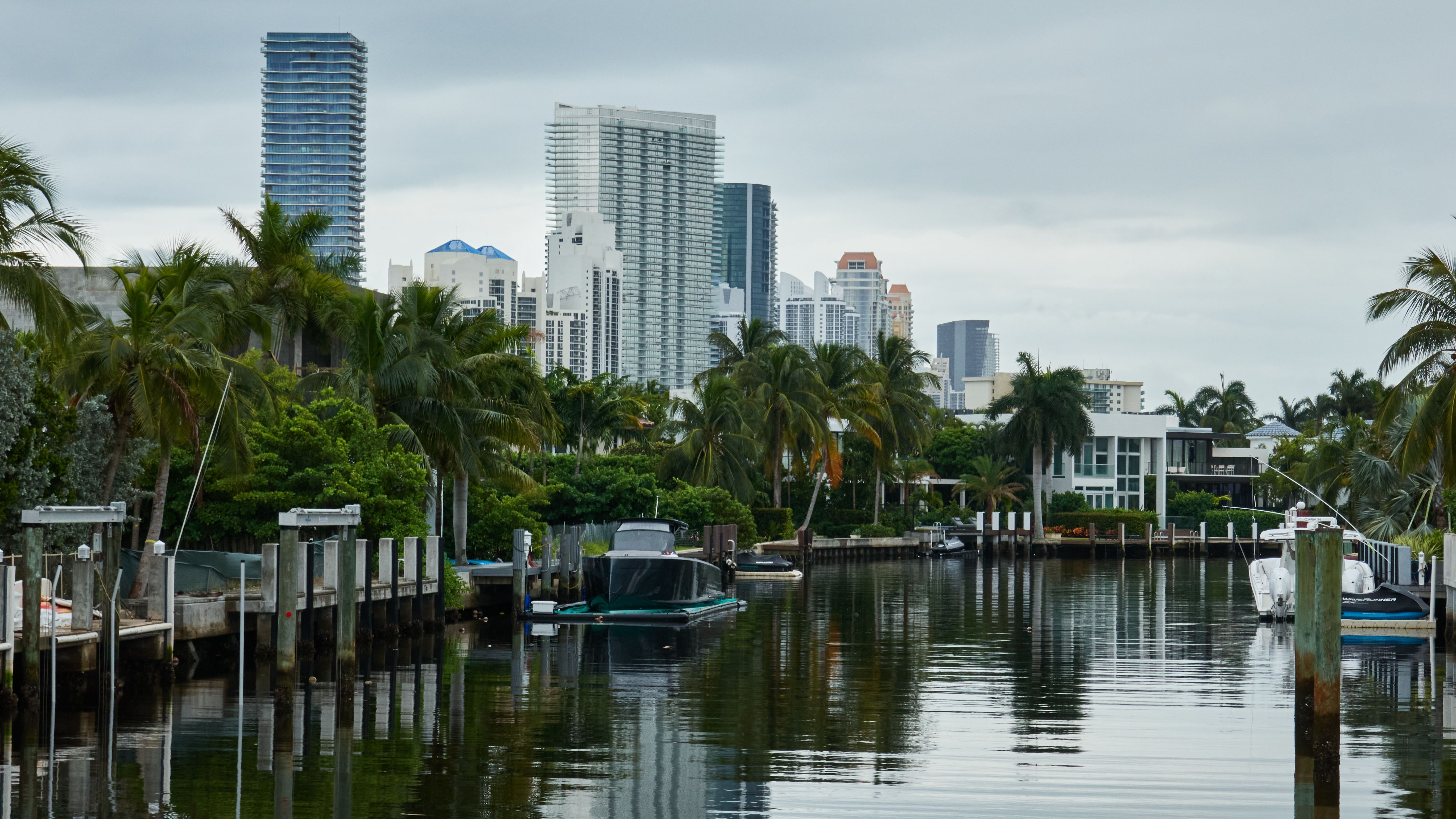
The luxury home market in Miami, Florida is one of the most active and complex in the country, drawing buyers from across the United States, Latin America, and Europe. Whether you are relocating, investing, or upgrading to a waterfront estate, understanding how this market actually works will save you time, money, and costly surprises. This guide covers pricing tiers, neighborhood distinctions, new construction pipelines, tax considerations, and negotiation realities specific to Miami in September 2026.
1. How Miami's Luxury Market Is Defined Right Now
The luxury threshold in Miami sits higher than most U.S. cities. In September 2026, properties priced at $1 million and above are broadly considered luxury, but the segment most buyers and agents refer to when discussing true luxury starts closer to $2 million. Ultra-luxury, meaning properties above $5 million, is a distinct sub-market with its own buyer pool, marketing channels, and negotiation dynamics.
What Counts as Luxury in Miami
Price alone does not define luxury in Miami. Buyers in this segment expect a specific combination of finishes, location, views, and amenities. A $1.5 million single-family home in Pinecrest on a half-acre lot with a pool and impact-rated windows is a different product from a $1.5 million high-floor condo in Brickell with a private elevator foyer and a building concierge. Both are luxury, but the buyer profile, resale market, and carrying costs are completely different.
Miami's luxury market is also shaped by international demand in a way few other U.S. cities experience. Buyers from Brazil, Colombia, Venezuela, Argentina, and increasingly from Europe and the Middle East have been active in the $2 million to $10 million range for years. That international floor creates pricing resilience even when domestic demand softens.
Current Price Benchmarks by Area
As of September 2026, median closed prices in Miami's luxury tier vary sharply by neighborhood. In Coconut Grove, single-family homes above $2 million typically sit on lots between 7,500 and 20,000 square feet and are priced from roughly $2.2 million to well above $8 million depending on waterfront access and lot depth. In Coral Gables, Mediterranean-style estates in gated enclaves like Old Cutler Road range from $3 million to $15 million. In Brickell and Edgewater, luxury condos in newer towers are priced from around $900 per square foot on lower floors to over $2,500 per square foot for penthouse units with Biscayne Bay views.
For broader context on how these numbers fit into Miami's overall housing picture, the Miami Real Estate Market Guide: Prices, Neighborhoods, Timing covers all price tiers across the metro.
2. Where Luxury Buyers Are Looking in Miami
Miami's luxury market is not concentrated in one corridor. Different neighborhoods offer fundamentally different products, and understanding what each area actually delivers, in terms of lot size, building age, commute access, and water proximity, is the first step toward finding the right fit.
Coconut Grove and Coral Gables
Coconut Grove is Miami's oldest neighborhood, with a tree canopy that sets it apart visually from the rest of the city. The streets closest to Biscayne Bay, particularly in the South Grove, include some of the most sought-after waterfront parcels in Miami-Dade County. Homes here are a mix of mid-century modern, Mediterranean revival, and contemporary new construction, often on irregular lots shaped by the original street grid laid out in the 1880s. Coconut Grove is roughly 15 minutes from Brickell by car during off-peak hours, and the neighborhood has its own Metrorail station on the Green Line.
Coral Gables, immediately to the southwest, was master-planned in the 1920s by George Merrick and retains strict architectural standards enforced by the city's Board of Architects. That means new construction and renovations must conform to the Mediterranean Revival style, which preserves the neighborhood's visual consistency but adds cost and time to any build or remodel. The Coral Gables luxury market centers on streets like Arvida Parkway, Old Cutler Road, and the gated Gables Estates enclave, where waterfront lots on manmade canals connecting to Biscayne Bay can exceed $10 million for the land alone.
The Coral Gables Real Estate Market Guide and the Coconut Grove Real Estate Market Guide go deeper into each of those markets if you want neighborhood-specific data.
Brickell and Edgewater
Brickell is Miami's financial district and the center of the city's vertical luxury market. Towers like Brickell Flatiron, St. Regis Residences, and the recently delivered Una Residences have reset the price ceiling for condos in this corridor. Units in these buildings range from roughly 1,200 square feet for a two-bedroom to over 6,000 square feet for a full-floor penthouse, with prices spanning from about $1.3 million to more than $20 million. The appeal is walkability, Brickell City Centre for retail and dining, and proximity to the financial district.
Edgewater, just north of downtown along Biscayne Bay, has transformed over the past decade from a transitional corridor into a legitimate luxury address. Buildings like Elysee, Missoni Baia, and the under-construction Cipriani Residences have brought branded-residence quality to this stretch of Northeast 2nd Avenue and Biscayne Boulevard. Edgewater sits about 10 minutes north of Brickell by car and about 5 minutes south of Wynwood, giving residents access to both the arts district and the financial center.
Key Biscayne and Pinecrest
Key Biscayne is a barrier island connected to the mainland by the Rickenbacker Causeway, roughly 8 miles from downtown Miami. The island is almost entirely residential, with single-family homes and a handful of condo buildings. Luxury homes here range from $3 million for an updated inland property to over $20 million for a direct oceanfront estate. The island's finite land supply, with no developable parcels remaining, creates a hard ceiling on inventory that tends to support prices over time.
Pinecrest, about 12 miles south of downtown via US-1, is a village of roughly 19,000 residents built almost entirely on single-family lots. Lots here are large by Miami-Dade standards, commonly ranging from half an acre to over two acres, and homes are predominantly one and two-story structures with mature landscaping and private pools. Luxury properties in Pinecrest generally run from $1.5 million to $6 million, with the upper end concentrated on Old Cutler Road and in gated communities like Snapper Creek Lakes.
3. New Construction and the Branded Residence Boom
Miami's new construction pipeline is one of the most active in the country for the luxury segment. Branded residences, meaning condo towers developed in partnership with hospitality or fashion brands, have become a defining feature of the Miami luxury market. Buyers in these buildings are purchasing not just a unit but a management infrastructure, amenity suite, and brand association that can influence resale value.
What the Pipeline Looks Like
As of September 2026, several major towers are in various stages of construction or pre-sales in Miami. The Cipriani Residences in Brickell, a 80-story tower developed with the Cipriani hospitality group, has drawn significant attention. According to a Forbes report from May 2026, the project is setting a new benchmark for amenity programming and price per square foot in the Brickell corridor. Other active projects include the Waldorf Astoria Residences in downtown Miami and the Shore Club Private Collection in Miami Beach, each targeting the $3 million to $25 million buyer.
The branded residence model adds a layer of complexity to the buying decision. Buyers are often drawn to the hotel-style services, which can include in-unit dining, valet, spa access, and concierge. However, those services come with monthly HOA fees that can run from $2,500 to over $8,000 per month depending on unit size and building. Understanding the full carrying cost before signing a purchase contract is critical.
Buying Pre-Construction: Risks and Realities
Pre-construction purchases in Miami's luxury segment typically require a 30 to 50 percent deposit paid in installments before the building delivers. Florida law provides some protections for pre-construction buyers, including the requirement that developer deposits be held in escrow, but the risk of delays, developer changes, and market shifts between contract and closing is real. Buildings announced in 2022 and 2023 are delivering now in 2026, and buyers who contracted at peak prices are finding that the market has moved in different directions depending on the submarket.
If you are comparing a pre-construction purchase to buying an existing luxury condo in Brickell, the Buying a Condo in Brickell guide covers the agent and process questions specific to that market.
4. Taxes, Costs, and Carrying Expenses Buyers Overlook
The purchase price is only the beginning of the financial picture for luxury buyers in Miami. Florida has no state income tax, which is a significant draw for buyers relocating from high-tax states, but property taxes, insurance, and HOA fees can add substantially to the annual cost of ownership.
Property Taxes and Homestead Exemption
Miami-Dade County's effective property tax rate runs roughly 1.0 to 1.2 percent of assessed value for most residential properties. On a $5 million home, that translates to approximately $50,000 to $60,000 per year in property taxes before any exemptions. Florida's homestead exemption reduces the assessed value by $50,000 for primary residents, and the Save Our Homes cap limits annual assessment increases to 3 percent or the rate of inflation, whichever is lower. However, when a property sells, the assessment resets to market value, so a buyer purchasing a home that has been owned for decades will face a significant tax increase in their first year.
Buyers who intend to use the property as a second home or investment are not eligible for the homestead exemption and will pay the full assessed rate without the Save Our Homes cap protection. This is a meaningful distinction for international buyers and investors who make up a significant share of Miami's luxury market.
Insurance, HOA, and Other Monthly Costs
Homeowner's insurance in South Florida has become one of the most significant carrying costs for luxury buyers. Annual premiums on a $3 million to $5 million single-family home in Miami-Dade can range from $30,000 to over $80,000 depending on the home's age, construction type, roof condition, flood zone designation, and proximity to the coast. Homes built after 2002 with impact-rated windows and doors and newer roofs generally qualify for lower rates, which is one reason buyers often prioritize post-2002 construction.
Flood insurance is a separate policy from standard homeowner's insurance and is required for properties in FEMA-designated Special Flood Hazard Areas. Many waterfront and near-waterfront properties in Miami fall into flood zones AE or VE, where annual flood insurance premiums can add another $5,000 to $20,000 or more to the cost of ownership. Buyers should request the flood zone designation and current elevation certificate for any property before making an offer.
For buyers specifically interested in waterfront properties, the Luxury Waterfront Properties in Miami guide covers flood zones, seawall conditions, and dock rights in detail.
5. Negotiating and Closing in Miami's Luxury Segment
Luxury transactions in Miami do not follow the same rhythm as the general market. Days on market are longer, price reductions are more common at the higher price points, and the buyer pool is smaller and more deliberate. Understanding the current supply and demand balance in the specific sub-segment you are targeting is essential before making an offer.
How Offers Actually Work Here
In September 2026, the luxury segment above $3 million in Miami is generally a buyer's market for single-family homes, with months of supply in most submarkets running above six months. That means buyers have more negotiating room than they did in 2021 and 2022, when cash offers above asking were common. Today, offers of 5 to 10 percent below list price are often reasonable starting points for properties that have been sitting longer than 60 days, though newly listed properties with strong finishes and water views still attract multiple offers.
Cash is still the dominant payment method in Miami's luxury market. According to reporting from HousingWire's coverage of Miami's real estate market, cash transactions represent a disproportionately high share of closings in the upper price tiers. Sellers often prefer cash offers even at a slight discount because they eliminate appraisal and financing contingencies, which can be difficult to satisfy at high price points where comparable sales are sparse.
Due Diligence Timelines and Title Considerations
Luxury transactions in Miami typically include a 15 to 30 day inspection and due diligence period, longer than the 10 to 15 days common in the general market. Buyers should budget for a full home inspection, a separate roof inspection, a structural engineering review for older properties, a seawall inspection for waterfront homes, and a wind mitigation inspection that can influence insurance quotes. On a $5 million property, these inspections together might cost $3,000 to $7,000, which is a reasonable investment given what is at stake.
Title searches in Miami sometimes surface issues specific to South Florida's history, including old easements, unpermitted additions, and chain-of-title complications from the foreclosure wave of 2008 to 2012. Working with a title company experienced in Miami-Dade County is not optional in the luxury market. Buyers should also verify that any additions or renovations have closed permits on file with Miami-Dade County's building department, which maintains a searchable online database.
Closing costs in Florida typically run 1.5 to 2.5 percent of the purchase price for buyers, covering title insurance, recording fees, and any loan origination costs. On a $4 million purchase, that is $60,000 to $100,000 in closing costs on top of the purchase price. Documentary stamp taxes on the deed are paid by the seller in most Florida transactions, but buyers should confirm this in the contract terms.
FAQ
What is the minimum budget to buy a luxury home in Miami, Florida right now?
In September 2026, the practical entry point for what the Miami market considers luxury is around $1 million, but the properties most buyers associate with the luxury experience, private pools, high-end finishes, water views or large lots, generally start closer to $1.5 million to $2 million. For a single-family home with meaningful land in Coral Gables, Coconut Grove, or Pinecrest, budget at least $2 million. For a luxury condo in Brickell or Edgewater with bay views and full-service amenities, plan for $1.3 million and up. These figures do not include property taxes, insurance, and HOA fees, which can add $50,000 to $150,000 or more per year depending on the property.
Is the luxury home market in Miami, Florida still active in 2026?
Yes, the luxury market in Miami remains active in September 2026, though it has shifted from the frenetic pace of 2021 and 2022. Transaction volume in the $3 million and above range has moderated, and days on market have lengthened, which gives buyers more time and negotiating leverage than they had a few years ago. International demand continues to provide a consistent floor for pricing, particularly in the $2 million to $6 million range. New construction deliveries from the 2022 and 2023 pre-sales cycle have added inventory to certain submarkets, particularly in Brickell and Edgewater, which is worth factoring into your search if you are comparing new and resale options.
Do I need a real estate agent to buy a luxury home in Miami, or can I work directly with a developer?
You can technically purchase directly from a developer without your own agent, but it is not in your interest to do so. The developer's sales team represents the developer, not you, and their job is to sell units at the highest price with the fewest concessions. A buyer's agent who is experienced in Miami's luxury market can negotiate on your behalf, identify comparable sales to evaluate pricing, flag contract terms that are unusual or unfavorable, and coordinate the due diligence process. In most new construction transactions in Miami, the developer pays the buyer's agent commission, so having representation costs the buyer nothing and provides significant protection. For resale purchases, having an agent is equally important given the complexity of title, inspection, and negotiation in the luxury segment.