← Back to Blog
Buying
Buying a Condo in Brickell: Should I Work With an Agent?
By Collin Evans, Licensed Real Estate Agent
eXp Realty LLC · SL# 3620756
September 2, 2026 · 12 min read
Buying a condo in Brickell, Miami is one of the most exciting real estate decisions you can make, but it comes with a set of rules, costs, and market realities that are very different from buying a single-family home. Whether you are relocating to Miami, investing, or making Brickell your primary residence, knowing what to expect before you sign anything will save you time, money, and a lot of frustration. This guide covers everything: the current market, how condo associations work, what an agent actually does for you here, and the questions most buyers forget to ask.
1. What Makes Brickell Different from Other Miami Condo Markets
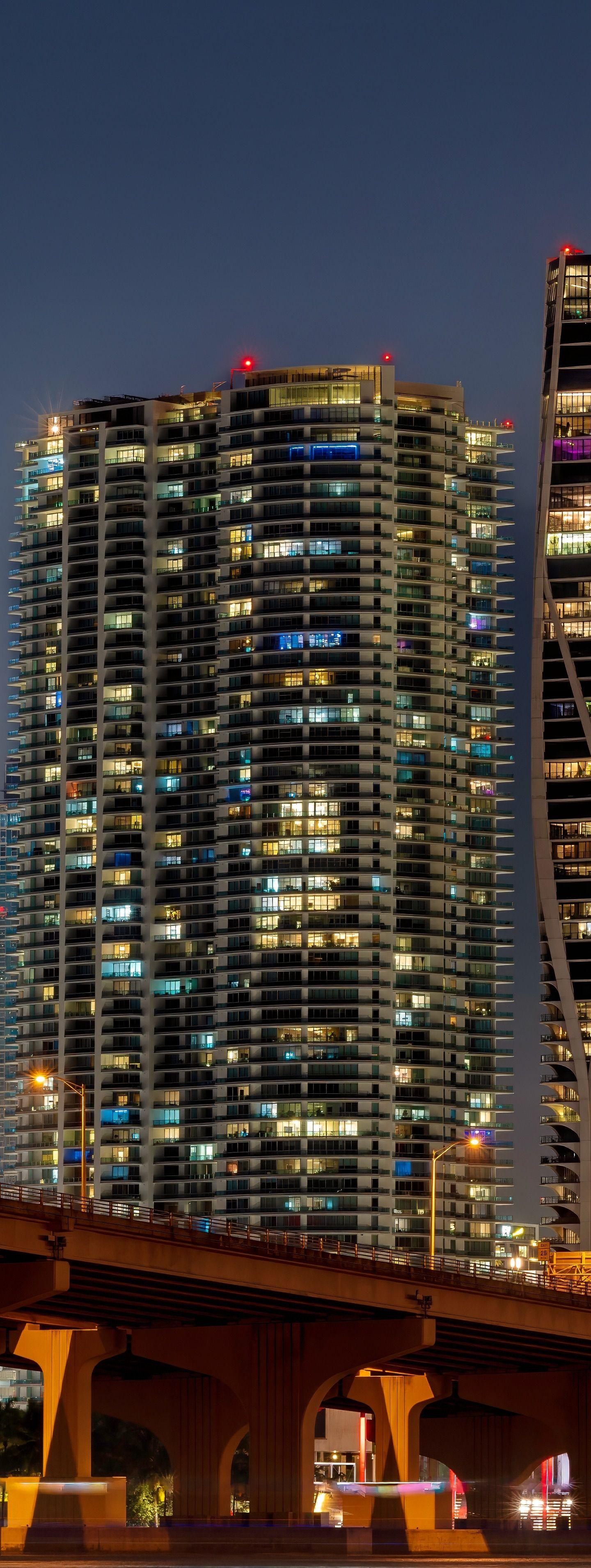
Brickell is not a typical condo market, and buyers who treat it like one tend to get surprised. The neighborhood sits on the southern edge of downtown Miami, bordered by the Miami River to the north and Coconut Grove to the south, and it holds a density of high-rise residential towers that rivals any urban core in the country. Brickell Avenue, Brickell Key, and the surrounding streets are lined with buildings ranging from 20 to 80-plus stories, each with its own association, rules, fee structure, and financial health.
Forbes described Brickell as a neighborhood to watch, noting its rapid transformation into one of the most active urban residential corridors in the Southeast United States. That transformation has brought a wave of new towers alongside a resale market that moves quickly and does not always follow the same patterns as the broader Miami-Dade market.
The Building Inventory
Brickell's condo inventory spans several distinct tiers. Buildings like Brickell Heights, SLS Lux, and 1010 Brickell represent the luxury segment, with full-service amenities including concierge, rooftop pools, and fitness centers that rival hotel facilities. Mid-tier towers such as Brickell House, The Mark, and Bristol Tower offer more moderate price points with solid amenity packages. Older buildings along Brickell Avenue, some constructed in the 1980s and 1990s, carry lower price tags but come with their own set of structural and financial considerations that buyers need to review carefully.
Price Ranges Right Now
As of September 2026, one-bedroom condos in Brickell are generally trading between $550,000 and $900,000 depending on the building, floor, and view. Two-bedroom units in established towers typically range from $850,000 to $1.8 million, while three-bedroom and penthouse units in luxury buildings can exceed $3 million. The Brickell Key island submarket, which sits just offshore and is accessible by bridge, tends to carry a premium because of its waterfront positioning and the relative scarcity of its inventory. Buyers comparing Brickell to other Miami submarkets should note that the price-per-square-foot in Brickell is among the highest in Miami-Dade County, currently averaging between $700 and $1,100 per square foot for resale units.
New Construction vs. Resale
New construction in Brickell operates under a completely different purchase process than resale. Developers typically require a deposit structure spread across construction milestones, often totaling 20 to 50 percent of the purchase price before closing. The contracts are developer-drafted, heavily favor the seller, and include limited contingency protections for the buyer. Resale transactions, by contrast, follow the standard Florida Realtors contract process and allow for inspection periods, financing contingencies, and negotiation on price, credits, and closing date.
For buyers considering Miami real estate more broadly, the Miami, Florida Real Estate Market Guide on this site covers price trends and timing across the full metro area, which provides useful context before narrowing your focus to Brickell specifically.
2. Should I Work With a Buyer's Agent When Buying a Condo in Brickell?
Yes, and the reasons are more specific to Brickell than most buyers realize. Buying a condo in Brickell involves layers of due diligence that go well beyond a standard home purchase: condo document review, association financial analysis, building litigation history, rental restriction verification, and milestone inspection compliance. An experienced buyer's agent who knows the Brickell market will flag issues in specific buildings before you spend money on an attorney or inspector.
What a Brickell Buyer's Agent Actually Does
A knowledgeable buyer's agent in Brickell does several things that go beyond scheduling showings. They will pull the condo association's most recent financials, check for pending special assessments, verify whether the building is on the approved list for conventional or FHA financing, and review the minutes from recent board meetings for any red flags. They will also know which buildings have active litigation, which ones have deferred maintenance issues surfacing after Florida's new reserve funding requirements, and which ones have rental restrictions that could affect your flexibility as an owner.
In a market as layered as Brickell, local knowledge is not a soft benefit. It is the difference between buying into a building with a well-funded reserve and one that is about to levy a six-figure special assessment on every unit owner. That is not a hypothetical scenario in Miami-Dade County right now; it is happening in buildings across the city as the post-Surfside legislative changes take effect.
Working Directly With the Developer or Listing Agent
Some buyers consider skipping a buyer's agent and going directly to the developer's sales office or the listing agent on a resale. It is worth understanding what that means in practice. The developer's sales team and the listing agent on a resale both represent the seller. Their fiduciary duty runs to the person paying them, not to you. They are not obligated to point out a building's pending litigation, an association's underfunded reserves, or a floor plan's noise issues. They will answer questions you ask, but they are not required to volunteer information that might cause you to walk away.
Having your own representation costs you nothing in most Brickell transactions. On resale deals, the seller's proceeds typically cover the buyer's agent commission as part of the negotiated terms. On new construction, developers routinely cooperate with buyer's agents and have the commission built into their pricing model regardless of whether you bring one.
Who Pays the Agent's Commission
Commission structures in Florida changed in 2024 following the NAR settlement, and buyers should understand the current framework. Before touring properties with an agent, you will sign a written buyer representation agreement that spells out the agent's compensation. In most Brickell resale transactions, the seller offers a buyer's agent commission as part of the listing terms, and that amount is negotiated as part of the deal. In some cases, particularly in new construction or listings where no buyer's agent commission is offered, you may need to negotiate how your agent is compensated. Your agent should walk you through this clearly before you begin the process.
3. Condo Association Rules, Financials, and the Milestone Inspection Law
Florida's condo laws changed significantly after the 2021 Champlain Towers collapse in Surfside, and those changes directly affect every buyer in Brickell right now. Senate Bill 4D, passed in 2022 and further updated since, requires milestone structural inspections for buildings three stories or taller that are 25 years old or older, and mandates that associations fully fund their reserves rather than waiving them as was common practice for decades. Understanding where a specific building stands in this process is essential before you make an offer.
Reading the Condo Documents
Florida law gives buyers three business days to review condo documents after receiving them, and you have the right to cancel and receive a full deposit refund during that window. The document package typically includes the declaration of condominium, bylaws, rules and regulations, the most recent budget, the reserve study, meeting minutes from the past 12 months, and any pending litigation disclosures. This is a dense package, often several hundred pages, and most buyers benefit from having a real estate attorney review it alongside their agent. In Miami-Dade, real estate attorney fees for a condo document review typically run between $500 and $1,500.
Florida's Milestone Inspection and Reserve Requirements
Buildings in Brickell that are 25 years old or older must complete a Phase 1 milestone inspection by a licensed engineer or architect. If that inspection identifies structural concerns, a Phase 2 inspection is required. Buildings that have not yet completed their required inspections, or that have received inspection findings requiring remediation, represent a financial risk to buyers because the cost of repairs is passed to unit owners through special assessments. As of September 2026, a number of older Brickell towers are still working through this process, and the financial implications vary significantly from building to building.
The reserve funding mandate is equally important. Associations that spent years waiving reserve contributions to keep monthly fees artificially low are now required to fund reserves fully, which has caused HOA fees to increase substantially in some buildings. Buyers should request the current reserve study and compare the funded percentage to the recommended level. A building with reserves funded at 30 percent of the recommended amount is a very different financial proposition than one funded at 90 percent.
What to Look for in the Budget
The association's operating budget tells you whether the building is being managed responsibly. Look for the ratio of operating expenses to reserves, whether the budget shows a surplus or deficit, and whether there are line items for deferred maintenance. Board meeting minutes from the past year will often reveal conversations about upcoming projects, assessment discussions, or disputes with vendors and residents that do not show up in the formal financials. These minutes are public record for association members and must be disclosed to buyers upon request.
4. The True Cost of Buying a Condo in Brickell
The purchase price is only one part of what you will spend when buying a condo in Brickell. Monthly HOA fees, closing costs, and the potential for special assessments can add tens of thousands of dollars to your total outlay in the first year alone. Building a complete cost picture before you make an offer is essential.
HOA Fees and Special Assessments
Monthly HOA fees in Brickell vary widely by building and unit size. In September 2026, fees for a one-bedroom unit in a full-amenity tower typically range from $900 to $2,000 per month. Two-bedroom units in luxury buildings with valet, concierge, and multiple pools can carry fees of $2,500 to $4,000 or more per month. These fees cover building insurance, common area maintenance, amenity operations, and reserve contributions, but they do not cover your individual unit's homeowner's insurance, which is a separate cost in Florida's current insurance market.
Special assessments are one-time charges levied on all unit owners to cover unexpected expenses or capital projects not covered by reserves. In older Brickell buildings currently undergoing milestone inspection remediation, special assessments in the range of $20,000 to $150,000 per unit are not uncommon. Always ask the seller and the association whether any special assessments are pending, approved but not yet invoiced, or under discussion. Florida law requires sellers to disclose known assessments, but assessments that are still in the discussion phase may not yet be formally disclosed.
Closing Costs in Miami-Dade County
Closing costs in Miami-Dade County are higher than in most Florida counties because of the county's documentary stamp tax rate. Buyers should budget approximately 2 to 4 percent of the purchase price for closing costs, which typically include lender fees, title insurance, the documentary stamp tax on the deed, recording fees, and the association's move-in fee. Many Brickell buildings also charge a one-time capital contribution or working capital fee at closing, which can range from one to three months of HOA fees. On a $900,000 purchase, total closing costs can realistically reach $25,000 to $40,000 before any prepaid items.
Financing a Brickell Condo
Not every lender will finance every Brickell building, and this is one of the most overlooked issues buyers face. Conventional loans backed by Fannie Mae and Freddie Mac require that the condo project meet specific approval criteria, including limits on investor-owned units, adequate insurance coverage, and reserve funding levels. Buildings with active litigation, high concentrations of short-term rentals, or reserve funding below required thresholds may be ineligible for conventional financing, forcing buyers into portfolio loans that carry higher interest rates and stricter terms.
The National Association of Realtors has published guidance on condo financing that is worth reviewing before you begin your search. Their overview of buying a condo in 2025 and beyond covers the financing landscape and the questions buyers should ask before committing to a specific building. Confirming financing eligibility early in the process, before you fall in love with a specific unit, will save you significant time.
Cash purchases sidestep the financing eligibility issue entirely, and Brickell sees a higher proportion of cash transactions than most Miami submarkets. In some months, cash deals account for more than half of closed condo transactions in the neighborhood. If you are financing, get a lender pre-approval that specifically addresses condo project eligibility, not just your personal creditworthiness.
5. Rental Restrictions, Lifestyle Rules, and What Brickell Living Actually Looks Like
Brickell's walkability and transit access are among the most practical aspects of living there. The Metromover, Miami's free elevated transit system, runs through the heart of Brickell and connects to the downtown Miami Metrorail hub at Brickell Station, where you can reach Miami International Airport in approximately 30 minutes without driving. Brickell City Centre, a mixed-use development spanning several city blocks, puts grocery shopping, dining, and retail within a five-minute walk of most towers in the area. The Underline, a 10-mile linear park and trail running beneath the Metrorail from Brickell to South Miami, provides a car-free route for cycling and walking.
Rental Restrictions Vary by Building
If you plan to rent your unit, the building's rental policy is one of the first things to verify. Some Brickell towers allow rentals with a minimum lease term of 30 days, while others require six-month or one-year minimums. A handful of buildings permit short-term rentals through platforms like Airbnb, but these are increasingly rare as associations have tightened restrictions in response to noise, security, and wear-and-tear concerns. Buildings that allow frequent short-term rentals may also face challenges with conventional financing approval, which can affect your resale market when you eventually sell.
Pet Policies, Parking, and Move-In Rules
Association rules on pets, parking, and move-in procedures differ significantly across Brickell buildings. Some buildings cap the number of pets per unit, restrict breeds, or set weight limits. Parking is often assigned and may be included in the purchase or sold separately as a deeded space, which can add $30,000 to $80,000 to your total cost in some buildings. Move-in fees, elevator reservation requirements, and board approval processes for buyers also vary; a few buildings require a formal interview or application review before a sale can close, which adds time to your transaction timeline.
Comparing Brickell to Other Miami Submarkets
Buyers who are also considering other parts of the Miami metro area will find it useful to compare Brickell's condo market against other options. Some buyers exploring Miami-Dade and Broward County also look at communities like Pembroke Pines, where the housing stock shifts from high-rise condos to townhomes and single-family homes at lower price points. If that comparison is relevant to your search, the Pembroke Pines Neighborhoods Guide on this site covers that market in detail.
FAQ
Do I need a buyer's agent to buy a condo in Brickell, Miami?
You are not legally required to have a buyer's agent, but given the complexity of Brickell condo transactions, having one is strongly advisable. A buyer's agent who knows Brickell will review condo documents, flag reserve funding issues, identify buildings with pending litigation, and verify financing eligibility before you commit. On most resale transactions, the seller's proceeds cover the buyer's agent commission, so you receive professional representation without paying out of pocket. In new construction deals, developers typically cooperate with buyer's agents and have that cost built into their pricing regardless.
What are the biggest financial risks when buying a condo in Brickell right now?
As of September 2026, the two most significant financial risks are underfunded reserves and pending special assessments tied to Florida's milestone inspection requirements. Buildings that are 25 years or older are required to complete structural inspections, and any remediation costs are passed to unit owners through special assessments that can reach six figures per unit. HOA fees have also increased substantially in many buildings as associations bring reserve funding into compliance with state law. Buyers should request a current reserve study, the most recent budget, and board meeting minutes from the past 12 months before making an offer.
Can I get a conventional mortgage to buy a condo in Brickell?
Many Brickell buildings are eligible for conventional financing, but not all of them are. Fannie Mae and Freddie Mac require condo projects to meet specific criteria related to reserve funding levels, investor concentration, insurance coverage, and the absence of active litigation. Buildings that fall short of these criteria may only be financeable through portfolio lenders, which typically means higher interest rates and stricter qualification standards. Before you identify a specific unit you want to purchase, ask your lender to check the building's project approval status, and confirm that the building's current reserve funding and litigation status will not disqualify it for the loan type you need.